


Research Challenge
A broad topic needed a question readers could follow.
I started with curiosity about addiction and how it changes the brain. As I read, the inquiry expanded into prescription opioids, the history of the epidemic, treatment, stigma, and the criminal justice system. Each source opened another direction; the challenge was deciding what belonged in one article.
The linked class assignments gave me a way to work through that complexity. Proposals made me articulate a purpose, source gathering exposed gaps in my understanding, and the outline forced me to organize the material before turning it into a connected narrative.
Research Approach
Different perspectives complicated my first understanding.
I combined NIDA publications, scholarly and news sources, a documentary, and an interview with Angela Bonaguidi, an addiction counselor at the University of Colorado’s Addiction Research and Treatment Services. The interview helped me understand treatment and ask more specific questions about the systems surrounding it.
I also drew on Jon Allen’s story from published reporting and a video. I did not interview him. His experience gave the reader a person to follow while the surrounding research explained broader medical, social, and legal questions. Keeping that distinction clear matters to how I describe the evidence.
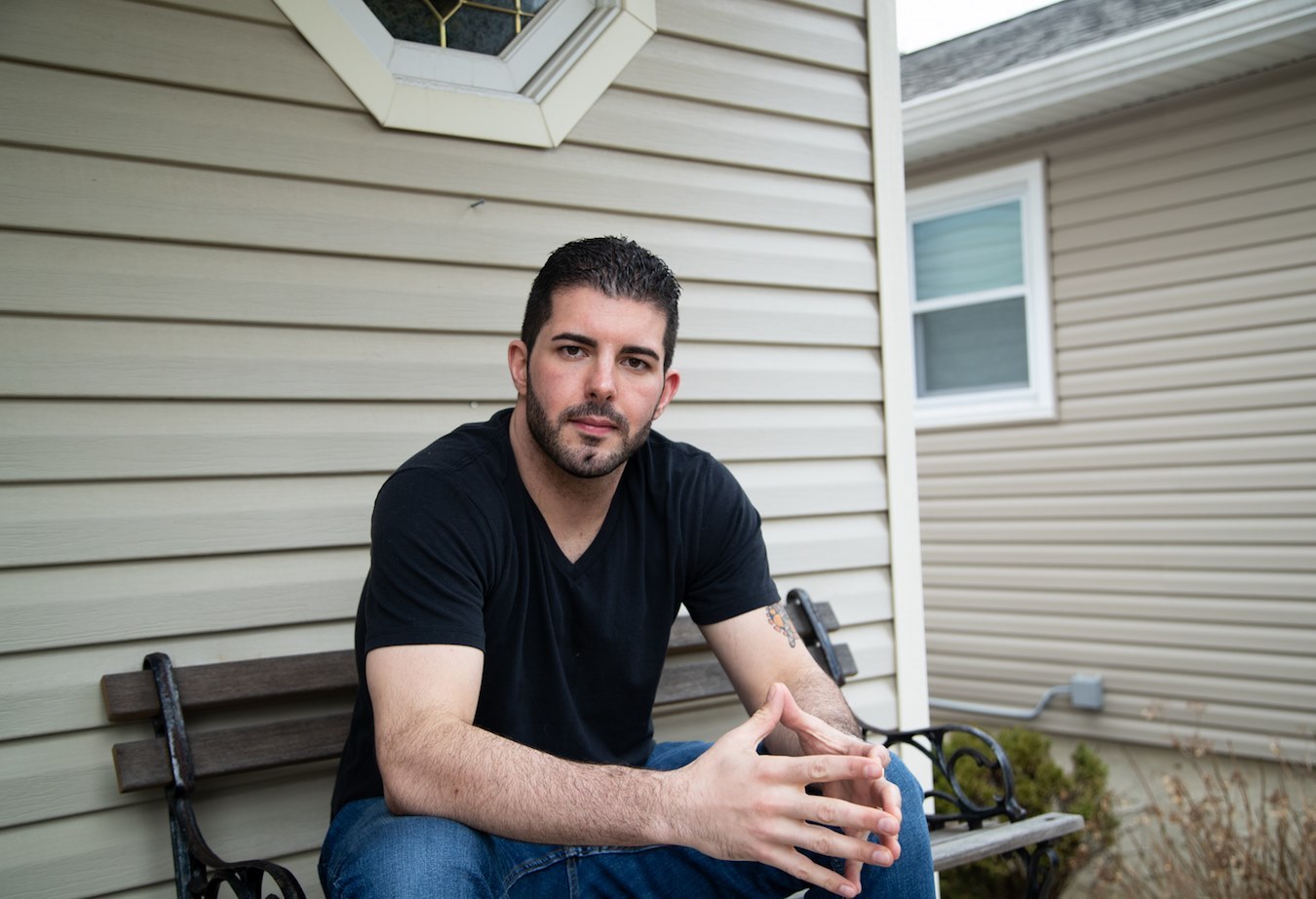
Jon Allen, pictured in the reporting used for this project. His story connects the research to an individual experience.
A companion news-writing assignment, “A Promising New Treatment for People Suffering from Opioid Use Disorder: Noninvasive Brain Stimulation” (October 4, 2021), translated a systematic review into a story for general readers. Alongside the longer feature article, it gave me practice selecting evidence, explaining technical material, and distinguishing promising findings from the need for further research.
Synthesis and Scope
Connecting the evidence gave the article a clearer direction.
My focus gradually became the relationship between addiction, treatment, and punishment. The biology explained one part of the issue; the interview and policy research exposed questions about access to care and what happens after incarceration. I used those connections to decide what readers needed before reaching the article’s argument.
That meant leaving some interesting material out. The working question and outline helped me move from collecting everything about addiction toward explaining a smaller set of connected themes. This was an early lesson in synthesis: the value of research depends on how thoughtfully it is selected and organized.
Original outline and final article
The outline places the brain explanation before the history. In the final essay, the historical context comes first. Comparing those versions makes an editorial decision visible: background could prepare the reader for the scientific explanation that follows.
Checking My Bias
Learning more changed how I understood the people in the story.
In my final artist statement, I wrote that the research helped me recognize and question the stigma I had brought to the topic. Reading across perspectives and listening to an addiction professional challenged explanations that treated a person’s situation as a simple matter of choice.
Looking back, I can also see language in the original article that I would revise today. I would use more consistent person-first wording, distinguish an individual experience from a general claim, and revisit assumptions about what different audiences need. The artifact shows a stage in my learning, and the responsibility to keep checking my framing continues into my design work.
Writing and Information Structure
The reader needed a path through the complexity.
I structured the article around a progression: the history of the problem, how addiction affects the brain, the relationship between treatment and punishment, and approaches to recovery. Jon’s story returns between explanatory passages so the human experience stays connected to the research.
Headings, transitions, captions, and source references each had a job. They helped readers orient themselves, distinguish narrative from explanation, and trace information back to a source. Those decisions prepared me for UX writing by making me consider what a reader needs to understand now, what can come next, and how language affects trust.

A heading marks a change in topic; the story keeps a human thread.
This section connects an explanation of the brain with the personal narrative, showing how research and storytelling work together to guide the reader.
Article and Reflection
The article laid a foundation for my research and writing practice.
Read the complete 2021 article in the PDF below, including the bibliography from the accompanying artist statement. The project brings together research, an interview, and a structured argument about opioid addiction, treatment, and the criminal justice system.
This project helped me develop the patience for detailed research, the judgment to narrow a question, and the writing skills to connect evidence into a readable whole. These habits now support how I approach UX research and content: learn the context, question my assumptions, prioritize information, and revise with the audience in mind.
Original 2021 academic work. The research and wording in the PDF reflect the original assignment.